Our History
One Woman's Impact on the World
Sara Schenirer
Born in Poland in 1883, Sara Schenirer was a visionary educator who transformed Jewish life by creating meaningful educational opportunities for women. At a time when formal Torah education for girls was nearly nonexistent, she recognized both the spiritual and cultural risk facing her generation—and chose to act.
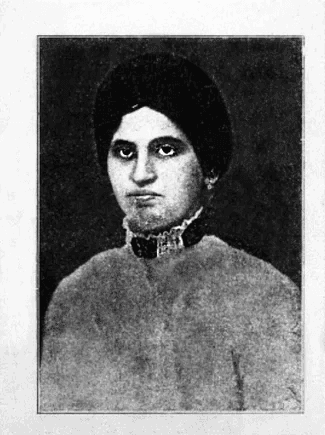
July 15, 1883 - March 1, 1935
History Timeline
1883
Sara Schenirer's Vision
A Polish-Jewish schoolteacher born on July 15, 1883, Sara Schenirer became a pioneer of Jewish education for girls. Highly intelligent, with a strong desire to study, as a young girl, she was envious of her brothers’ opportunity to learn and interpret the Torah and wished she had similar opportunities. Recognizing her interest in education, her father provided her with a steady stream of religious texts translated into Yiddish. Her situation was not unique as opportunities for women’s education in those years were sparse. The assimilation of her friends troubled her and in response to her efforts to stem the tide of assimilation, they began to call her “the little pious one.” Self-taught but keenly aware of the glorious role women had played in Jewish history, Sara decided to initiate some type of educational activity for the women of her community. When a lecture series which she organized for adult women failed to improve the situation, Sara Schenirer began to dream of establishing a school for young girls.
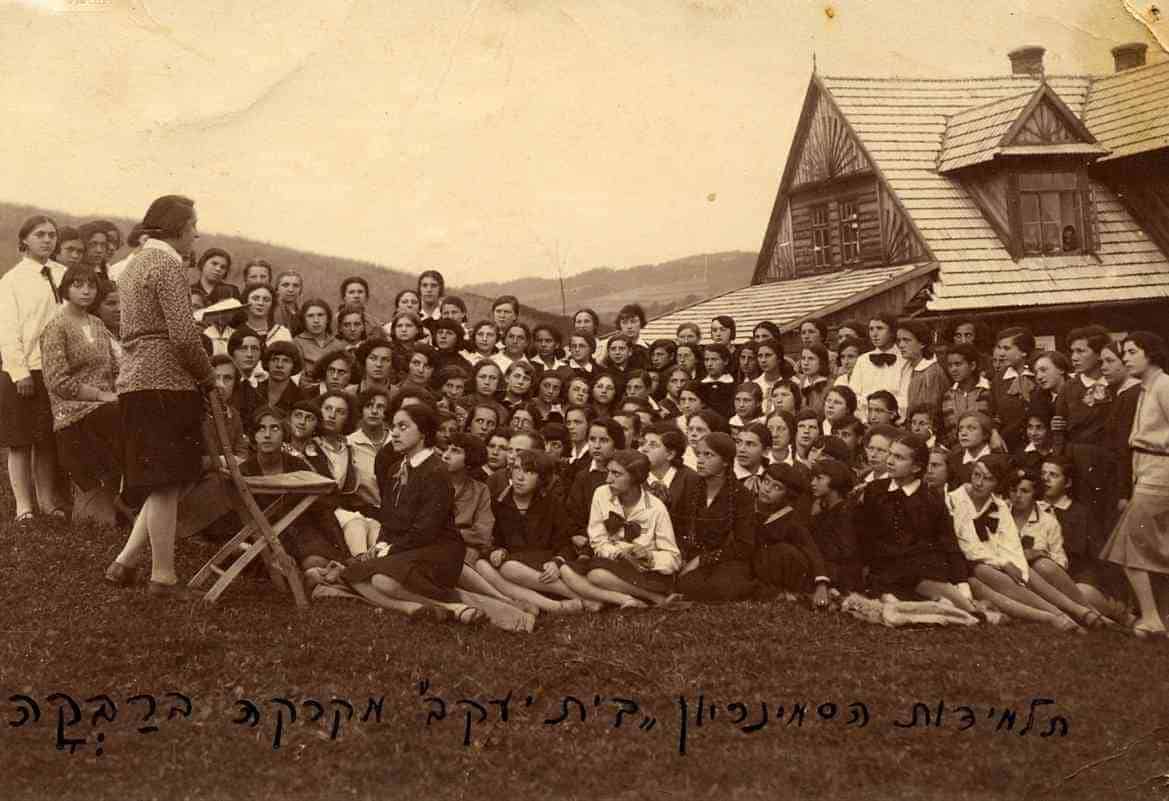
Seminary Students in Krakow
1883
Sara Schenirer's Vision
A Polish-Jewish schoolteacher born on July 15, 1883, Sara Schenirer became a pioneer of Jewish education for girls. Highly intelligent, with a strong desire to study, as a young girl, she was envious of her brothers’ opportunity to learn and interpret the Torah and wished she had similar opportunities. Recognizing her interest in education, her father provided her with a steady stream of religious texts translated into Yiddish. Her situation was not unique as opportunities for women’s education in those years were sparse. The assimilation of her friends troubled her and in response to her efforts to stem the tide of assimilation, they began to call her “the little pious one.” Self-taught but keenly aware of the glorious role women had played in Jewish history, Sara decided to initiate some type of educational activity for the women of her community. When a lecture series which she organized for adult women failed to improve the situation, Sara Schenirer began to dream of establishing a school for young girls.
Seminary Students in Krakow
1923
The Teachers' Seminary
In 1923, together with Rabbi Leo Deutschlaender, Sara established a teachers’ seminary. Their goal was to train staff for a network of girls schools that would require professionally trained teachers. Although Sara lacked formal qualifications in either the Judaic or general academic-pedagogic realm, she soon became the head of a worldwide movement with tens of thousands of pupils in hundreds of institutions.
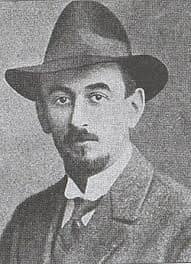
Rabbi Leo Deutschlaender
1923
The Teachers' Seminary
In 1923, together with Rabbi Leo Deutschlaender, Sara established a teachers’ seminary. Their goal was to train staff for a network of girls schools that would require professionally trained teachers. Although Sara lacked formal qualifications in either the Judaic or general academic-pedagogic realm, she soon became the head of a worldwide movement with tens of thousands of pupils in hundreds of institutions.
Rabbi Leo Deutschlaender
1939
Bais Yaakov is Established
The graduates of the teachers' seminary went out to establish fledgling Bais Yaakov schools for girls in towns accross Europe. By 1939, there were more than 250 schools with an enrollment of more than 40,000 students in Bais Yaakov schools. Although she never had any children of her own, her students considered her their mother and greatly revered her. Tragically, most of her students lost their lives in the Holocaust, but a few surviving students transplanted her mission and ideals in their new homes in the US and Israel. Her vision inspired not only her generation but each successive generation since and more than one million students have benefited from Sara’s belief in the Jewish woman.
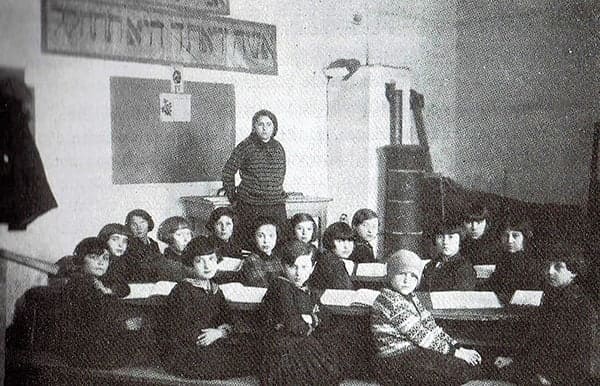
Sara Schenirer with her students
1939
Bais Yaakov is Established
The graduates of the teachers' seminary went out to establish fledgling Bais Yaakov schools for girls in towns accross Europe. By 1939, there were more than 250 schools with an enrollment of more than 40,000 students in Bais Yaakov schools. Although she never had any children of her own, her students considered her their mother and greatly revered her. Tragically, most of her students lost their lives in the Holocaust, but a few surviving students transplanted her mission and ideals in their new homes in the US and Israel. Her vision inspired not only her generation but each successive generation since and more than one million students have benefited from Sara’s belief in the Jewish woman.
Sara Schenirer with her students
1967
Sara Schenirer High School Opens
In 1967, the Sara Schenirer High School and Teacher’s Seminary opened its doors in Brooklyn, New York under the tutelage of Rabbi Nachman Bulman ob"m. The high school served hundreds of religious Bais Yaakov girls in Brooklyn and imparted an education built on Torah values.
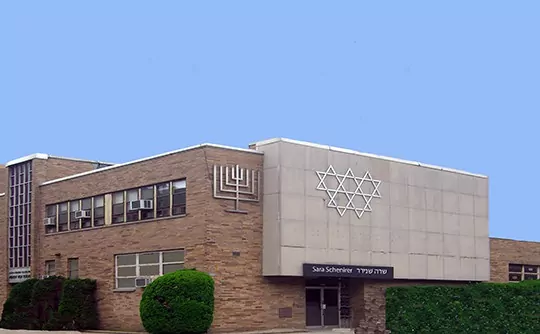
Sara Schenirer High School in Brooklyn, NY
1967
Sara Schenirer High School Opens
In 1967, the Sara Schenirer High School and Teacher’s Seminary opened its doors in Brooklyn, New York under the tutelage of Rabbi Nachman Bulman ob"m. The high school served hundreds of religious Bais Yaakov girls in Brooklyn and imparted an education built on Torah values.
Sara Schenirer High School in Brooklyn, NY
1970
Present Day
In 1970, Rabbi Yehudah Michoel Meisels ob”m was hired to replace Rabbi Bulman after his Aliyah, and he served in that capacity until 2009. A true visionary, Rabbi Meisels founded the Sara Schenirer Institute for Special Education, opening the doors for frum young women to train as professional special educators. What prompted this bold move? Rabbi Meisels recognized a critical shift in communal needs. Sara Schenirer had responded to a generation in which Jewish education for women was almost non-existent, building a movement that transformed the landscape of Torah learning for girls. By Rabbi Meisels’ time, Jewish education was flourishing. The gap now lay elsewhere. He understood that while secular higher education was widely available, it was not structured in a way that aligned with the cultural and spiritual values of the frum community. There was no pathway for young women to pursue professional credentials in an environment that respected their identity. Rabbi Meisels filled that void. Through his leadership, higher education became accessible without compromise, expanding opportunity while safeguarding values.
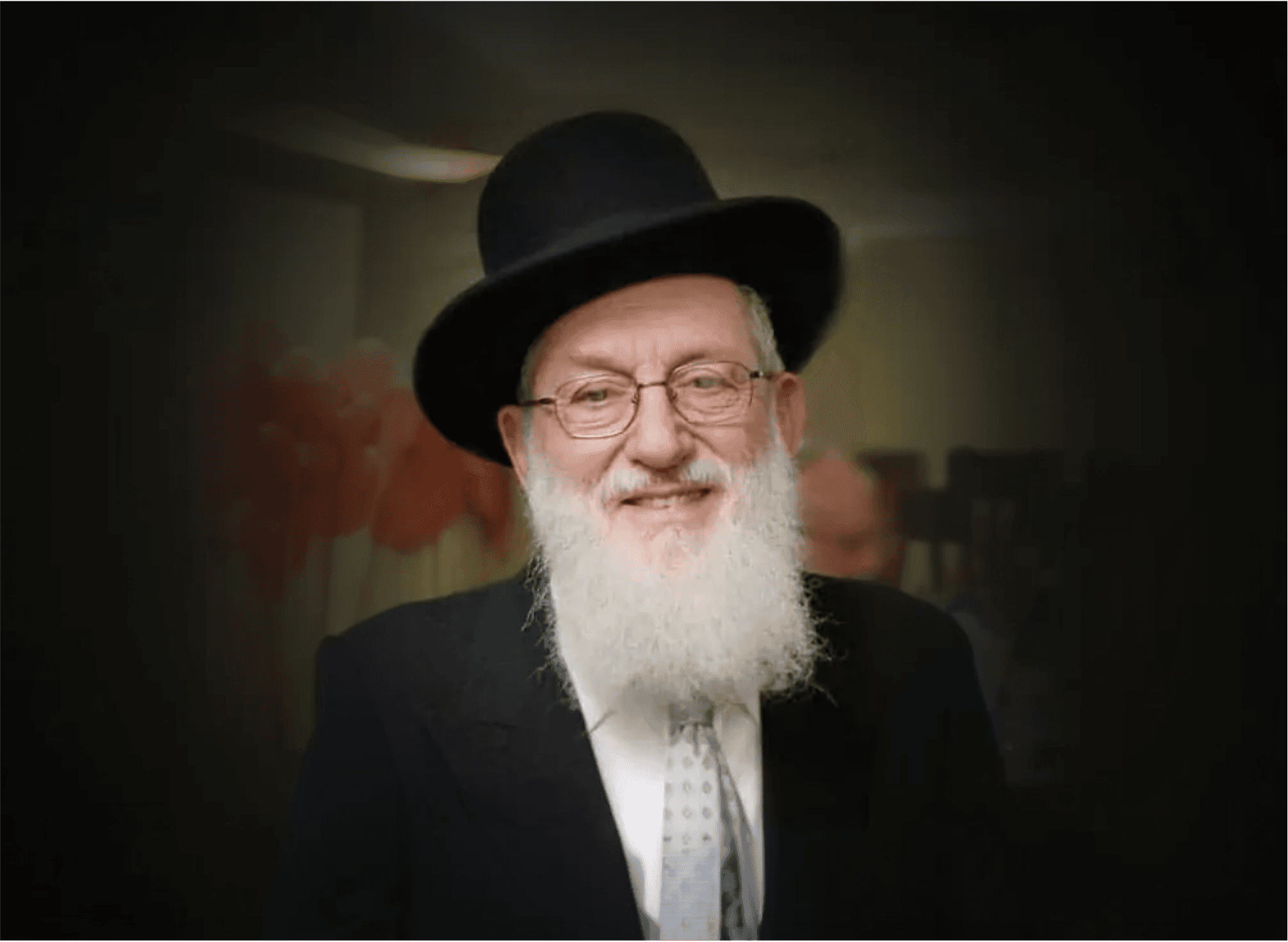
Rabbi Michoel Meisels
1970
Present Day
In 1970, Rabbi Yehudah Michoel Meisels ob”m was hired to replace Rabbi Bulman after his Aliyah, and he served in that capacity until 2009. A true visionary, Rabbi Meisels founded the Sara Schenirer Institute for Special Education, opening the doors for frum young women to train as professional special educators. What prompted this bold move? Rabbi Meisels recognized a critical shift in communal needs. Sara Schenirer had responded to a generation in which Jewish education for women was almost non-existent, building a movement that transformed the landscape of Torah learning for girls. By Rabbi Meisels’ time, Jewish education was flourishing. The gap now lay elsewhere. He understood that while secular higher education was widely available, it was not structured in a way that aligned with the cultural and spiritual values of the frum community. There was no pathway for young women to pursue professional credentials in an environment that respected their identity. Rabbi Meisels filled that void. Through his leadership, higher education became accessible without compromise, expanding opportunity while safeguarding values.
Rabbi Michoel Meisels
2009
Expansion
In 2009, Rabbi Elazar Meisels assumed leadership and ushered the institution into a new phase of growth. Building on the foundation that had been laid, he expanded partnerships with accredited universities, strengthening the academic infrastructure and broadening degree offerings. Recognizing that the need extended beyond women, he established a men’s division, creating access to professionally aligned higher education for religious men as well. He launched a robust live online program, dramatically increasing geographic reach and making degrees accessible to students who could not attend on site. Additional campus locations were opened to serve growing communities. Understanding that not every capable student thrives in a traditional academic framework, he also founded the IMPACT program, providing structured support and opportunity for students with weaker academic backgrounds to succeed. The means have changed, but the goals have remained constant. Thanks to the vision and determination of one woman, the entire community and the world at large, have changed for the better.
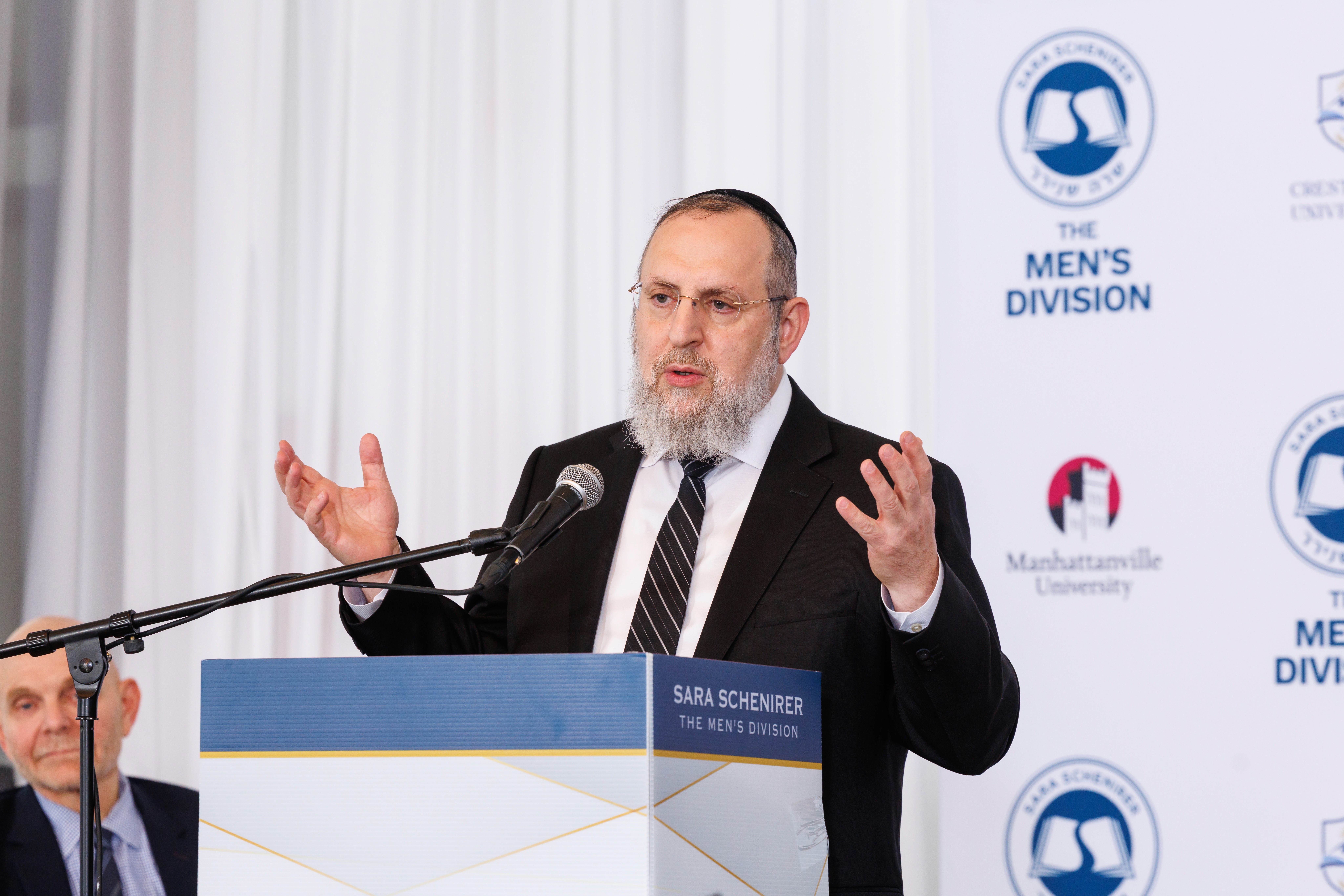
Rabbi Elazar Meisels at a graduation
2009
Expansion
In 2009, Rabbi Elazar Meisels assumed leadership and ushered the institution into a new phase of growth. Building on the foundation that had been laid, he expanded partnerships with accredited universities, strengthening the academic infrastructure and broadening degree offerings. Recognizing that the need extended beyond women, he established a men’s division, creating access to professionally aligned higher education for religious men as well. He launched a robust live online program, dramatically increasing geographic reach and making degrees accessible to students who could not attend on site. Additional campus locations were opened to serve growing communities. Understanding that not every capable student thrives in a traditional academic framework, he also founded the IMPACT program, providing structured support and opportunity for students with weaker academic backgrounds to succeed. The means have changed, but the goals have remained constant. Thanks to the vision and determination of one woman, the entire community and the world at large, have changed for the better.
Rabbi Elazar Meisels at a graduation
Message from the Dean
Graduates
Since 1979
Sara Schenirer Faculty
Professional educators across disciplines
Accredited Programs
Degree programs officially recognized
Annual Student Savings
Compared to regular college costs
Locations
So you can join us from anywhere
Accredited Programs
Degree programs officially recognized
Message From The Dean
Graduates
Since 1979
Degree Options
Fully accredited and widely accepted
Sara Schenirer Faculty
Educators across disciplines
In-Class Locations
And live-online. Join from anywhere!
Average Student Savings
Highly affordable degrees
University Partners
Highly-ranked and culturally sensitive